Charlotte is a “city of neighborhoods,” and that’s why it’s such a great place to buy a home—and also why the search can feel overwhelming. One area might be perfect for walkability and nightlife, while another gives you bigger lots, quieter streets, and a smoother daily routine.
This guide is built for Charlotte, NC homebuyers who want a practical way to compare neighborhoods based on what actually matters: commute, schools, walkability, and budget. Instead of trying to crown one “best neighborhood,” we’ll match Charlotte neighborhoods by lifestyle, so you can quickly narrow your search to the best fit.
How to Choose a Charlotte Neighborhood (Simple Framework)
Before you tour homes, get clear on these four filters. They’ll save you time and keep you from falling in love with a house that doesn’t fit your life.
1) Commute & “daily radius”
Ask: Where do I need to be 3–5 days per week? Your job, school drop-offs, gym, family, and favorite places create a “daily radius.” Charlotte traffic patterns can make a huge difference depending on direction and time of day, so it’s smart to test-drive your likely routes during rush hour.
2) Walkability vs. space
Charlotte offers both lifestyles:
Walkable/urban: more condos and townhomes, easier access to restaurants and entertainment, smaller lots
Suburban/space: bigger yards, quieter streets, more single-family homes, often better value per square foot
3) Schools (if relevant)
School zones can affect resale and demand. Even if you don’t have children, buying in a high-demand zone can support long-term value. If schools matter to you, confirm boundaries and options before you offer.
4) Budget (total monthly cost, not just price)
Two homes with the same purchase price can have very different monthly costs because of HOA dues, condo fees, insurance, taxes, and maintenance. For condos and townhomes, monthly fees can shift affordability significantly.

Best Charlotte Neighborhoods for Homebuyers (By Lifestyle)
Below are popular choices grouped by the lifestyle they serve best. These aren’t the only options in Charlotte—but they’re common starting points for buyers who want clarity fast.
1) If You Want Walkability + City Energy: South End
Best for: Buyers who want a modern, walkable lifestyle near Uptown—restaurants, breweries, fitness studios, and a lively social scene.
Housing: Condos, townhomes, newer builds, and some renovated homes on the edges.
Commute: Excellent access to Uptown; light rail access is a major perk.
Why it works: South End is one of the most walkable “live-work-play” areas in Charlotte. Many homebuyers choose it because they want their day-to-day life to happen without driving everywhere.
What to watch for:
HOA dues and condo fees can materially change affordability
Noise/parking can vary block to block
Inventory tends to move fast, especially in prime pockets
Tip for buyers: If you’re prioritizing walkability, ask yourself what “walkable” means: groceries, coffee, gyms, or nightlife. Micro-locations matter a lot here.

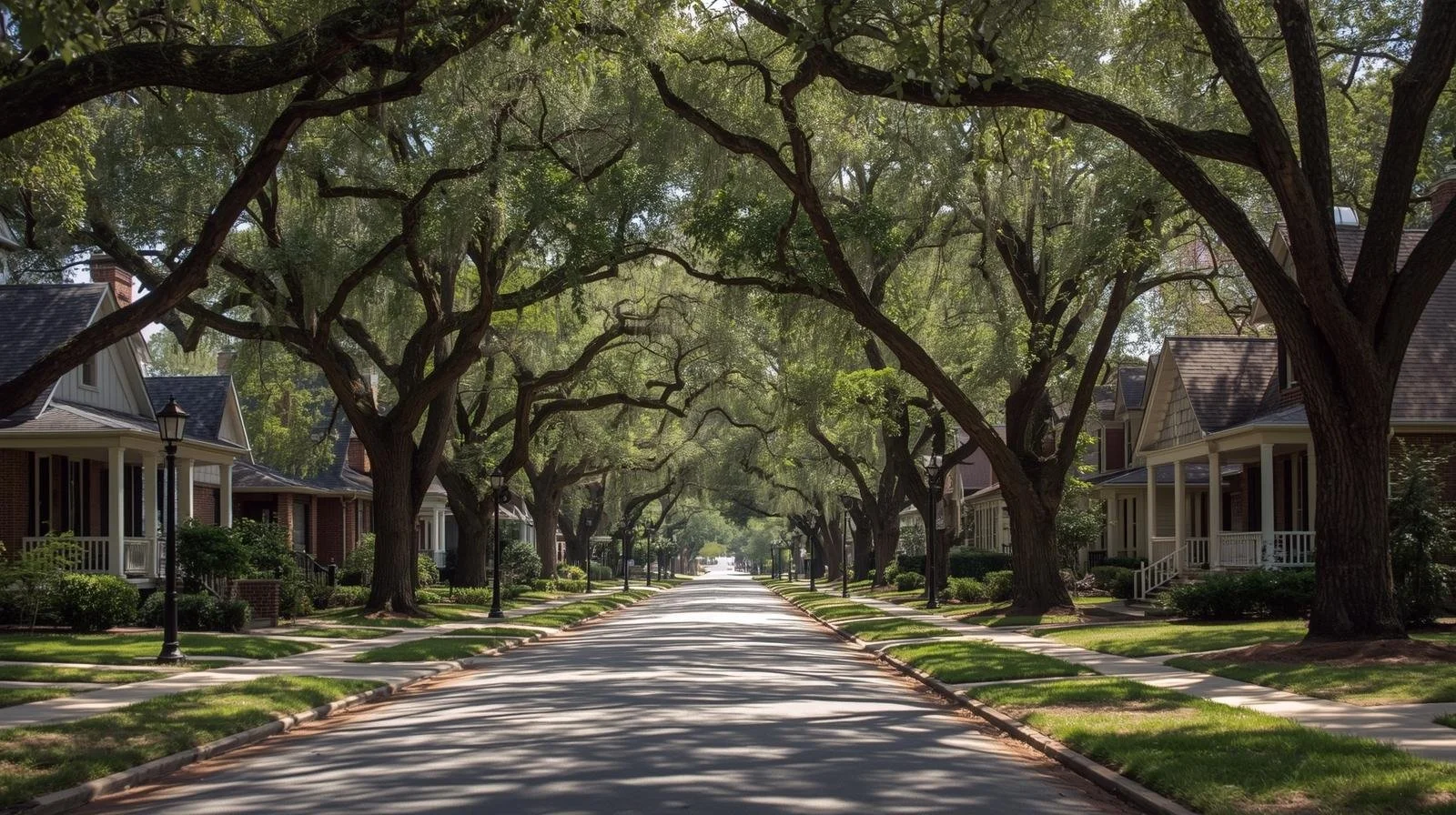
2) If You Want Historic Charm + Quick Uptown Access: Dilworth
Best for: Buyers who love character homes, mature trees, and sidewalks—with close-in convenience.
Housing: Historic bungalows, renovated single-family homes, some townhomes/condos.
Commute: Short drive (or bike) to Uptown and nearby hospitals.
Why it works: Dilworth often attracts homebuyers who want a classic neighborhood feel without feeling “far away.” It’s charming, established, and very easy to enjoy.
What to watch for:
Older homes may require more maintenance (roof, plumbing, HVAC)
Renovations vary—inspections are critical
Pricing can reflect the location and charm
Tip for buyers: When shopping older houses, make your inspection strategy strong—especially with structure, moisture, roof age, and major systems.
3) If You Want Artsy + Eclectic + Local Culture: NoDa (North Davidson)
Best for: Buyers who like neighborhoods with personality, murals, music, and independent shops.
Housing: Bungalows, renovated older homes, newer infill builds, townhomes.
Commute: Solid access to Uptown; light rail nearby.
Why it works: NoDa is one of Charlotte’s most recognizable arts districts. Many buyers pick it because it’s less “cookie-cutter” and more “community vibe.”
What to watch for:
Street-by-street feel can change quickly
Do a daytime and nighttime visit
Some areas are more residential; some are more active/social
Tip for buyers: Make a shortlist of what you want to walk to (coffee, music venues, parks). Then confirm your micro-location matches that lifestyle.

4) If You Want Trendy + Community Feel (With a Mix of Homes): Plaza Midwood
Best for: Buyers who want neighborhood charm + local dining + a social vibe that feels more “community” than “district.”
Housing: Older homes, renovated ranches and bungalows, some new construction infill.
Commute: Reasonable access to Uptown.
Why it works: Plaza Midwood is a favorite for buyers who want “personality” without being locked into only condos or only suburban subdivisions.
What to watch for:
Older housing stock means inspections matter
Quiet residential streets vs. busy corridors vary widely
Some blocks feel tucked away; others are more active
Tip for buyers: Drive the neighborhood at multiple times. The difference between a quiet pocket and a high-traffic pocket can be huge.
5) If You Want Central Convenience + Upscale Amenities: SouthPark
Best for: Buyers who want a central hub, polished feel, and easy access to premium shopping and dining.
Housing: Mix of condos, townhomes, and single-family pockets.
Commute: Convenient to many parts of Charlotte.
Why it works: SouthPark is often the “reduce daily friction” choice—especially for buyers who frequently travel around the city for work, family, or lifestyle.
What to watch for:
Traffic can be heavy at peak times
Condo/townhome fees vary significantly
Feel changes depending on whether you’re near commercial corridors or residential pockets
Tip for buyers: If you find a great home, don’t assume the entire area feels the same. Zoom in and evaluate the immediate surroundings.
6) If You Want Suburban Comfort + Newer Homes: Ballantyne
Best for: Buyers who want newer builds, planned communities, and easy south Charlotte access.
Housing: Newer single-family homes, townhomes, community amenities.
Commute: Great for south Charlotte employment; longer to Uptown depending on traffic.
Why it works: Ballantyne delivers a “modern suburban” lifestyle—newer layouts, community features, and convenience for buyers who want space and structure.
What to watch for:
HOA rules & dues vary (some include amenities, some don’t)
Check commute timing if you go into Uptown often
Some areas feel more “spread out” and car-dependent
Tip for buyers: Ask what HOA covers, what it restricts, and whether future community development is planned nearby.

7) If You Want University Access + Range of Prices: University City
Best for: Buyers who want proximity to UNC Charlotte and northeast Charlotte employment centers.
Housing: Townhomes, condos, single-family neighborhoods, newer developments.
Commute: Good for northeast work hubs; reasonable access to Uptown via major roads.
Why it works: University City can offer more variety in price points, making it attractive to first-time homebuyers who want space and value.
What to watch for:
Some pockets feel more transient due to rentals
Micro-location matters a lot
Confirm your preferred nearby amenities and routes
Tip for buyers: Focus on the specific pocket and your daily routine. This is an area where “neighborhood within the neighborhood” really matters.
8) If You Want More House for the Money (With Growth): Steele Creek
Best for: Buyers prioritizing square footage, newer communities, and relative affordability compared to closer-in areas.
Housing: Newer subdivisions, single-family homes, townhomes.
Commute: Varies—solid access to the airport and some job corridors; test your route.
Why it works: Steele Creek is often on the list for buyers who want space, newer construction, and a path to homeownership without paying close-in premiums.
What to watch for:
Commute can be the swing factor
Some amenities require more driving
New development can change traffic patterns over time
Tip for buyers: If you love the home and price, make sure you love the commute too. Try the route twice—once morning, once evening.
Budget Reality Check: What Changes Costs Neighborhood-to-Neighborhood?
When buying a home in Charlotte, affordability isn’t just the list price. Watch these cost drivers:
HOA dues (especially townhomes and planned communities)
Condo fees (can be significant; confirm what they include)
Property taxes
Insurance (home age and roof condition can impact premiums)
Maintenance and repairs (older homes vs. newer builds)
A smart way to shop: pick your top 3 neighborhoods and compare estimated total monthly payments, not only purchase price.

Quick Checklist: Choosing the Right Charlotte Neighborhood
Use this checklist to stay focused:
✅ I know my maximum monthly payment and my comfort payment
✅ I tested commute times during rush hour
✅ I visited the neighborhood morning, afternoon, and evening
✅ I compared HOA/condo fees across areas
✅ I know whether I want walkability, space, or a blend
✅ I understand the typical home styles (older homes vs. new construction)
✅ I considered resale factors like location, access, and neighborhood demand
FAQs for Charlotte Homebuyers
-
South End is a top pick for walkability with strong dining and light rail access. Depending on the exact block, parts of Dilworth and Plaza Midwood can also be walkable.
-
Frequently searched options include South End, Dilworth, NoDa, and Plaza Midwood, with varying vibes and housing types.
-
Newer construction is common in areas like Ballantyne, Steele Creek, and parts of University City, plus scattered infill builds in many established neighborhoods.
Final Thoughts: Pick the Neighborhood That Fits Your Real Life
Charlotte offers a rare mix: urban energy, suburban space, and plenty of in-between options. The quickest path to a great decision is matching neighborhoods to your lifestyle first—then shopping hard within the best-fit areas.
If you’d like, I can turn this into a “Neighborhood Shortlist Quiz” you can embed on your site to generate leads (walkability vs space, commute zone, budget range, school preference), and it’ll output the top 3 areas to explore.
Let’s Talk Strategy
If you want to make the most of this momentum — whether you’re buying, selling, or building — let’s talk. I’ll show you how to navigate this market with confidence and come out ahead.
📞 Call Bill Burns: 919-725-2837
✉️ Email: billburnsrealty@gmail.com
🌐 Visit: www.carolinaforsale.com
Let’s make your next move the smartest one yet.